

5mm mirror glass price
Pomiar za pomocą przyrządów pomiarowych w produkcji W każdym procesie produkcyjnym precyzja jest kluczowym elementem, który ma bezpośredni wpływ na jakość końcowego produktu. Aby osiągnąć wysoką jakość i zgodność z wymaganiami, przemysł często korzysta z różnorodnych narzędzi pomiarowych. Wśród nich szpilki pomiarowe (measuring pin gauges) odgrywają istotną rolę, zwłaszcza w kontroli wymiarów elementów mechanicznych. Czym są szpilki pomiarowe? Szpilki pomiarowe to specjalistyczne narzędzia wykorzystywane do pomiaru średnic otworów, rowków oraz różnych kształtów. Zazwyczaj wykonane są z materiałów o wysokiej twardości, takich jak stal narzędziowa lub węglo-stalowa. Ich konstrukcja pozwala na dokładne pomiary dzięki specyficznej geometrii, która umożliwia precyzyjne wprowadzenie szpilki do mierzonych elementów. Zastosowanie szpilek pomiarowych Szpilki pomiarowe znajdują zastosowanie w wielu dziedzinach przemysłu, w tym w motoryzacji, lotnictwie, produkcji maszyn oraz w rzemiośle. Używane są do 1. Kontroli jakości Pomiar wymiarów końcowych elementów maszyn jest niezbędny, aby upewnić się, że spełniają one określone normy i standardy jakości. 2. Testowania tolerancji Tolerancje są kluczowe w procesach produkcyjnych. Szpilki pomiarowe pomagają w ocenie, czy wymiary mieszczą się w zaakceptowanych granicach tolerancji. 3. Przygotowywania elementów do obróbki Przed przystąpieniem do kolejnych etapów produkcji zazwyczaj wymagane jest potwierdzenie, że wymiary są prawidłowe. Użycie szpilek pomiarowych pozwala na szybkie i efektywne wykonanie takich pomiarów. measuring pin gauge Jak działa proces pomiaru? Pomiar za pomocą szpilek pomiarowych odbywa się w kilku krokach 1. Wybór odpowiedniej szpilki W zależności od wymiaru, który ma być mierzony, wybiera się szpilkę o odpowiedniej średnicy. 2. Wprowadzenie szpilki Szpilka jest wprowadzana do otworu lub na powierzchnię, która ma być mierzona. Ważne jest, aby robić to z odpowiednim naciskiem, aby uniknąć uszkodzenia zarówno szpilki, jak i mierzonego elementu. 3. Odczyt pomiaru Na podstawie oporu, jaki stawia włożona szpilka, można ocenić, czy wymiar jest zgodny z wymaganiami. Jeżeli szpilka idealnie wchodzi do otworu, oznacza to, że wymiar jest właściwy. Jeżeli występuje opór, oznacza to, że wymiar jest mniejszy. Zalety stosowania szpilek pomiarowych Użycie szpilek pomiarowych ma wiele zalet. Po pierwsze, są one stosunkowo tanie w produkcji i łatwe w użyciu. Po drugie, pozwalają na szybkie i efektywne pomiary, co przyczynia się do zmniejszenia czasu kontroli jakości. Dodatkowo, ich zastosowanie prowadzi do zwiększenia dokładności produkcji, co przekłada się na mniejsze straty materiałowe i wyższą satysfakcję klientów. Podsumowanie Pomiar za pomocą szpilek pomiarowych jest kluczowym elementem w zapewnieniu wysokiej jakości produktów w różnych branżach przemysłu. Dzięki ich wszechstronności i efektywności, są one niezbędnym narzędziem w procesach produkcyjnych i kontrolnych. Warto inwestować w tego typu rozwiązania, aby osiągnąć lepsze wyniki i zminimalizować ryzyko błędów produkcyjnych.
about
5mm mirror glass price
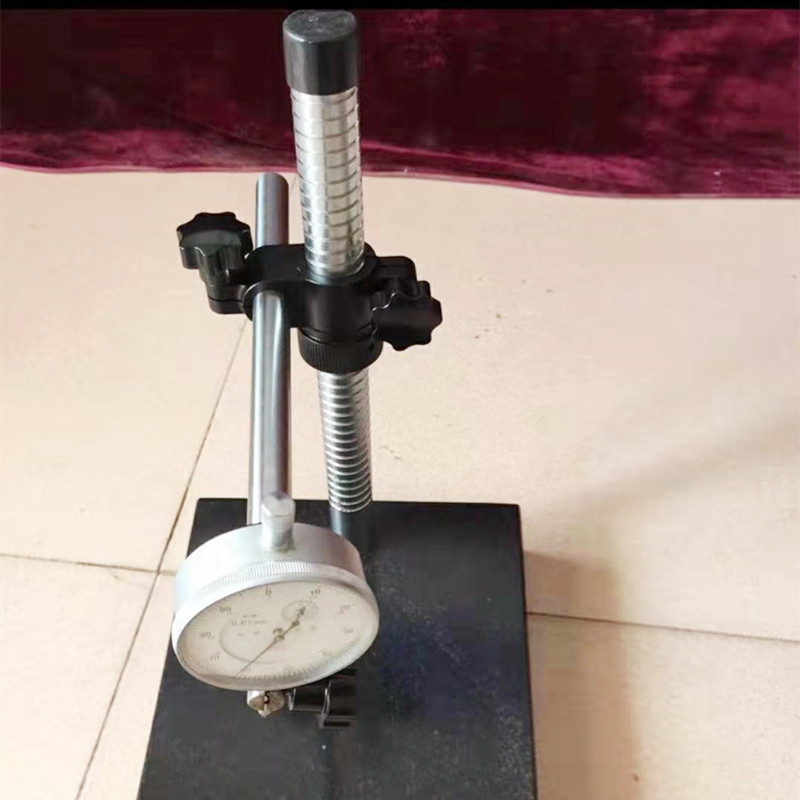
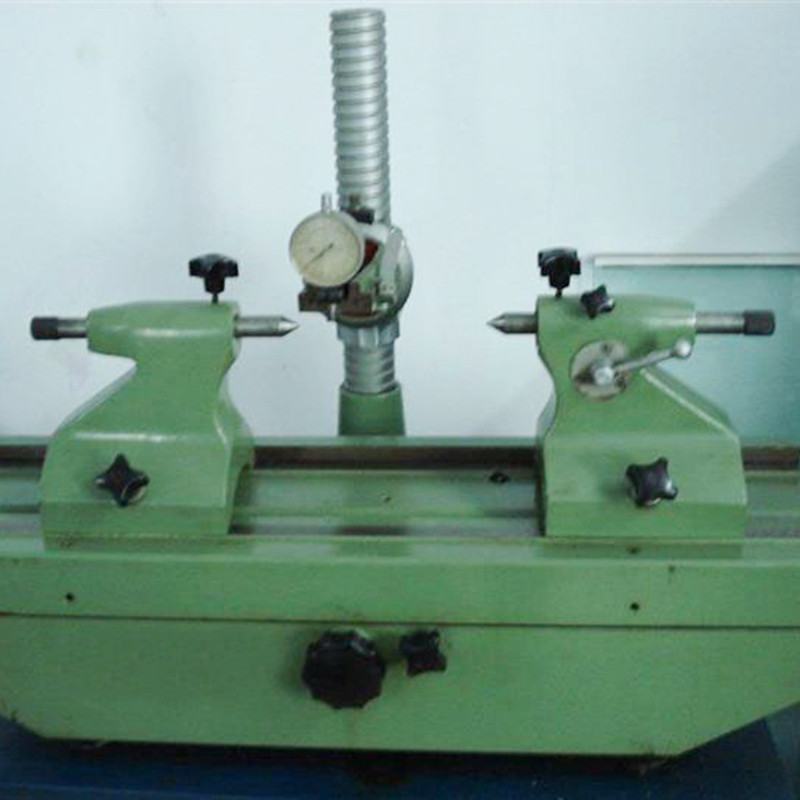
Understanding Internal Bore Gauges Precision Tools for Measuring Diameter Internal bore gauges are essential tools in various manufacturing and mechanical engineering applications, specifically designed to measure the internal diameters of cylindrical objects accurately. These precision instruments play a crucial role in ensuring component quality and interoperability in assembly processes. This article will delve into the purpose, types, advantages, and best practices when using internal bore gauges. Purpose of Internal Bore Gauges Internal bore gauges are primarily used to measure the diameter of holes, pipes, and tubes within parts. Unlike external calipers or micrometers that gauge outer dimensions, bore gauges specialize in obtaining measurements from inside surfaces. Accurate measurement of internal diameters is vital in various industries, including automotive, aerospace, and manufacturing, where precise tolerances are necessary for parts to function correctly and fit together seamlessly. Types of Internal Bore Gauges There are several types of internal bore gauges, each designed for specific measurement needs. 1. Mechanical Internal Bore Gauges These gauges use a mechanical setup, usually with a dial indicator for reading the measurement. They consist of a pair of contact points that expand to fit against the bore walls. The user must manually adjust the tool and read the measurement on the dial. 2. Electronic Internal Bore Gauges With advancements in technology, electronic bore gauges have emerged, offering digital readouts and enhanced accuracy. These are especially valuable in high-precision applications, as they can often provide more detailed measurements and are easier to read than mechanical gauges. 3. Tapered Internal Bore Gauges These are specialized tools that can measure tapered bores. The gauge can be set to measure at varying diameters along the taper, providing a comprehensive profile of the internal dimensions. 4. Flexible Gauge Systems Some gauges use a flexible measurement probe that can accommodate irregular bore shapes or specific configurations, offering versatility in measurement applications. Advantages of Using Internal Bore Gauges The use of internal bore gauges provides several significant advantages internal bore gauge - Precision These gauges allow for extremely accurate measurements, ensuring that components meet stringent design specifications. - Reliability Regular use of bore gauges can help ensure consistent quality control, leading to fewer defects and improved product reliability. - Ease of Use While some gauges may require a learning curve, many modern bore gauges are designed for user-friendliness, making them accessible even for those with less experience. - Adaptability Internal bore gauges can be adapted for various applications, making them suitable for different industries and types of measurements. Best Practices When Using Internal Bore Gauges To obtain the best results from internal bore gauges, several best practices should be followed 1. Calibration Always ensure that the gauge is properly calibrated before use. Routine checks can help maintain measurement accuracy. 2. Proper Technique Familiarize yourself with the right technique for using the gauge, including how to position it inside the bore and how to apply consistent pressure. 3. Environment Perform measurements in a controlled environment to minimize the influence of temperature and humidity, which can affect the gauge and the part being measured. 4. Regular Maintenance Keep the gauge clean and in good working order, checking for wear or damage that could affect its accuracy. In conclusion, internal bore gauges are indispensable tools for precise measurement of internal diameters in various applications. Their ability to aid in ensuring component quality makes them vital in many industries. By understanding the types, advantages, and best practices associated with these tools, manufacturers and engineers can significantly enhance their quality assurance processes, leading to superior products and improved performance.
-

High quality industrial productsagement

High quality industrial products
View Details -

Meet the diverse needs of customers

Meet the diverse needs of customers
View Details -

Strict quality control

Strict quality control
View Details -

Top raw materials

Top raw materials
View Details -

Trusted supplier

Trusted supplier
View Details
Our application

news and information
Using a Horizontal Spirit Level for Accurate Measurements in Construction Projects
Understanding the Horizontal Spirit Level A Guide to Precision and Accuracy In the realms of constru
Valve Types
Valve types are the unsung heroes in the world of engineering and manufacturing, playing pivotal rol
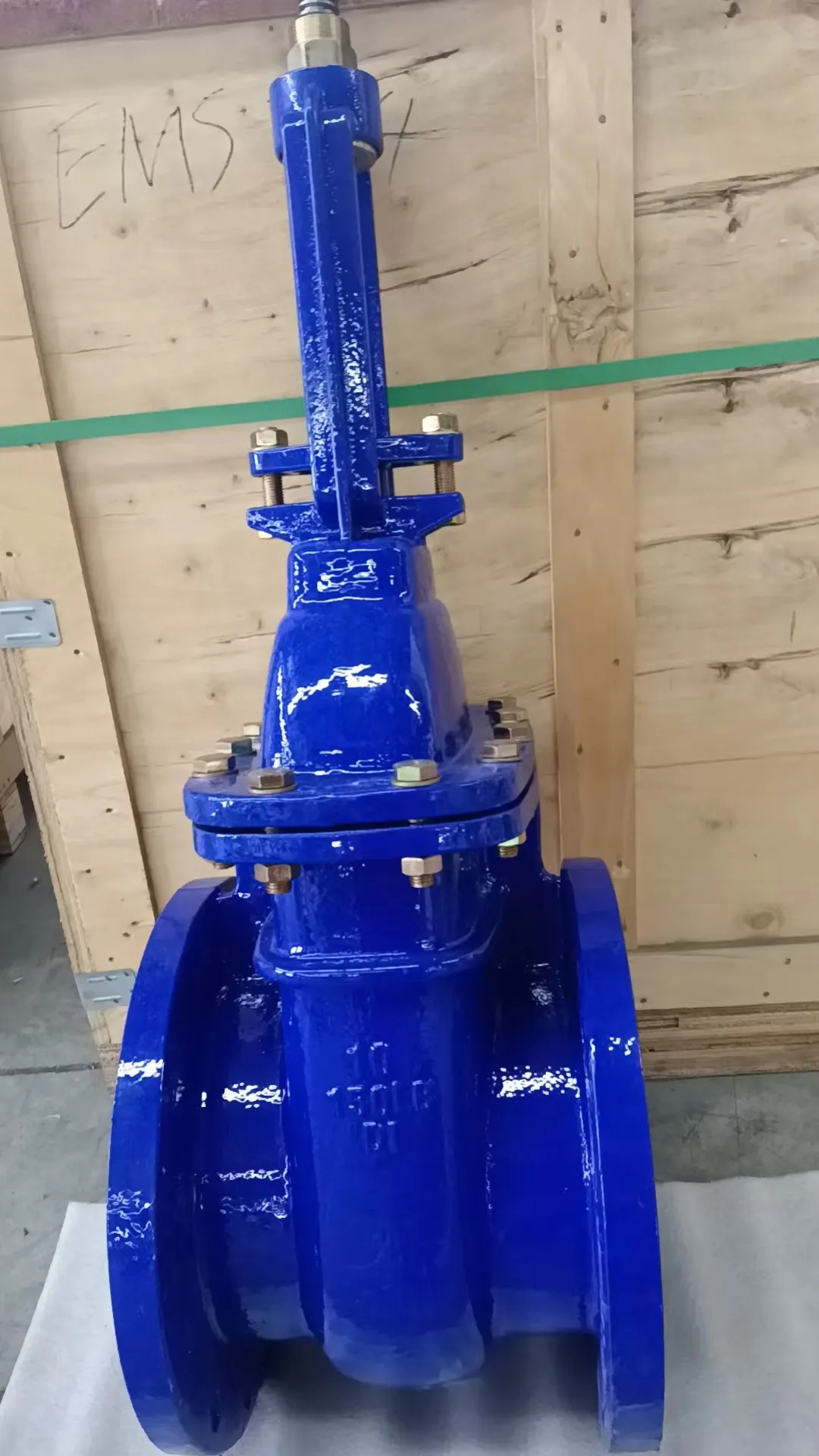
Water Flow Control Using Valve Mechanisms for Efficient Management
The Importance of Valve Water Management in Modern Industry In today's industrial landscape, effecti
 English